Hoi An Ancient Town is a UNESCO-listed riverside quarter in Da Nang City, about 30 km south of Da Nang Central. It is well-known for its narrow lanes, timber shop-houses, Chinese assembly halls, and Japanese-influenced bridges reflecting centuries of maritime trade and multicultural exchange.
In this guide from Your Vietnam Travel, you’ll find all the essential information you need before your trip. It covers everything from location and hours to ticket rules and helpful tips, so you can plan your visit with confidence.
Hoi An Ancient Town is a UNESCO-listed site, located around 45 minutes by car from Da Nang. This place is where Vietnamese, Chinese and Japanese communities traded from the 15th to the 19th century. Today, it has become one of the icons of Da Nang city that reflects the city’s history and cultures.
The Old Town itself is always free to walk around, but entry to heritage sites inside the zone works on a ticket system. Buy an Old Town Ticket at official booths near the main entrances. You can choose 5 out of 20 sites to visit in 24 hours including the Japanese Covered Bridge, Fujian Assembly Hall, Tan Ky Old House, Museum of Trade Ceramics and Cantonese Assembly Hall. Visiting hours are roughly 8:00 AM to 5:00 PM daily.
Expect the ticket price to be around 120,000 VND (~US$4.20) per person for international visitors, with prices subject to local policy updates. Pick up your ticket at the booth on Tran Phu, Nguyen Thai Hoc, or nearby streets, and keep it handy as staff may check when you enter individual monuments.
 |
|
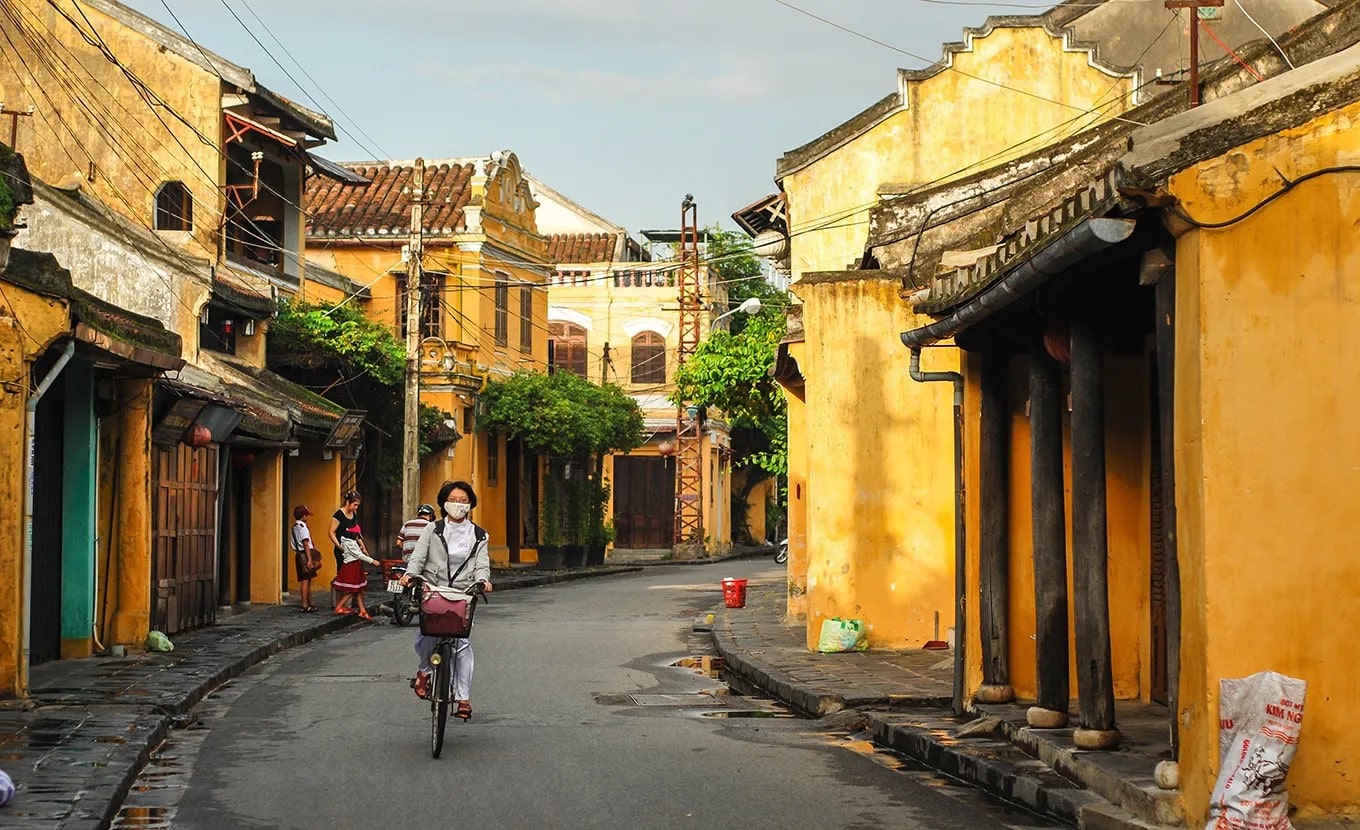
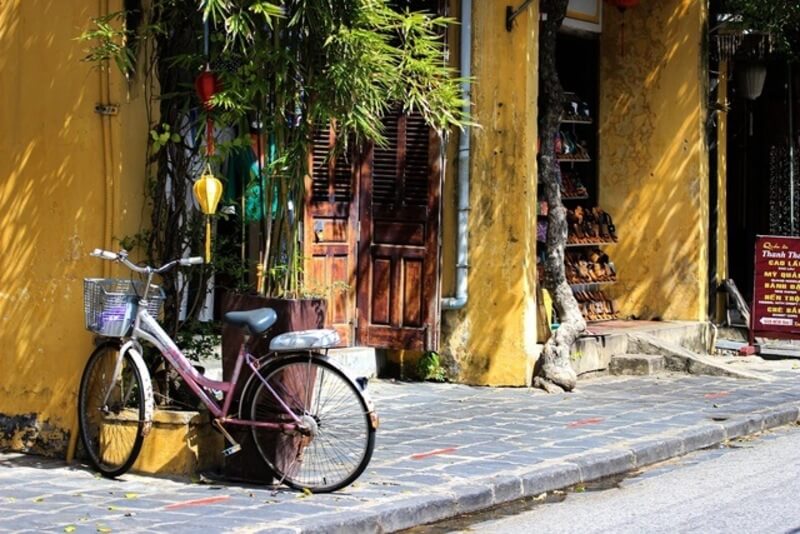
Yellow buildings on Hoi An Ancient Town (Source: Unsplash) |
Hoi An began as a river port on the Thu Bon, drawing traders from across Asia as early as the Cham-era maritime networks. By the late 16th to early 18th centuries it flourished as a cosmopolitan hub where Vietnamese, Chinese and Japanese communities lived and traded side by side, leaving guildhalls, merchant homes and the now-iconic Japanese Covered Bridge. This multi-cultural fabric is the foundation of the Old Town you walk through today.
From the 15th to the 19th century, Hoi An operated as one of Southeast Asia’s most important international trading ports, known to many merchants as Faifo. Its street grid, waterfront shop-houses and temples reflect a rare blend of indigenous and foreign influences that remained remarkably intact. The covered bridge built in 1593 is a vivid symbol of the Japanese presence during the town’s golden age.
In the late 19th century the harbour’s fortunes waned as the river silted up and maritime trade shifted to nearby Da Nang. Paradoxically, this decline helped preserve Hoi An’s historic core, which escaped large-scale modernization and retained its authentic urban fabric. That is why so many original buildings and streetscapes still read as a living museum.
Recognizing its outstanding universal value, UNESCO inscribed Hoi An Ancient Town on the World Heritage List in 1999 for bearing exceptional testimony to a trading port that blended cultures over several centuries. Today’s conservation approach focuses on safeguarding that layered heritage while keeping the Old Town active for local life, crafts and commerce. Visitors experience history not as a set piece, but as a lived Vietnamese town shaped by centuries of exchange.
 |
|
Hoi An Ancient Town with iconic old yellow buildings (Source: Unsplash) |
This section gives you a quick feel for what makes Hoi An special, from its easygoing climate and festive calendar to living Buddhist traditions, calm pedestrian streets, and remarkably preserved, multi-cultural architecture.
Hoi An has a tropical climate with two main seasons and warm temperatures most of the year. The dry season usually runs from February to August, with average daytime temperatures around 25 - 30°C and the hottest spell in June and July. The wetter months from September to January bring more rain and occasional flooding, so it is worth checking the forecast if you travel in late autumn or winter.
Festivals in Hoi An follow the lunar calendar and give the Old Town much of its atmosphere after dark. The 14th day of each lunar month is especially active, when streets near the river fill with evening rituals, family outings, and small cultural performances. Key dates include the Mid-Autumn period and Lunar New Year, when processions, lion dances, and traditional games make the old streets feel even more lively.
The Lantern Festival, held on the 14th lunar day each month, is Hoi An’s signature event. Electric lights in the core of the Old Town are dimmed so thousands of silk lanterns and candles along the Hoai River stand out. Visitors often buy a small paper lantern, step down to the riverbank or a wooden boat, and release it on the water while making a wish.
Planning tip: The first Lantern Festival after Lunar New Year is usually the most crowded and atmospheric, so plan ahead if you want to be there.
The 14th day of the lunar month is also an important day of worship. Many Hoi An families prepare offerings on their home altars, burn incense for ancestors, and visit pagodas in the Old Town and nearby villages. Evening prayers, bells, and the scent of incense mix with the lantern light, giving visitors a clear window into everyday Buddhist and folk practices that still shape community life.
Compared with Hanoi or Ho Chi Minh City, Hoi An feels noticeably calmer on the road. Much of the Ancient Town operates as a walking and cycling zone during set hours, with motorbikes restricted from key streets to keep them safe for pedestrians. That makes it easy to cross the road, wander with children, or stop for photos without the constant pressure of heavy traffic.
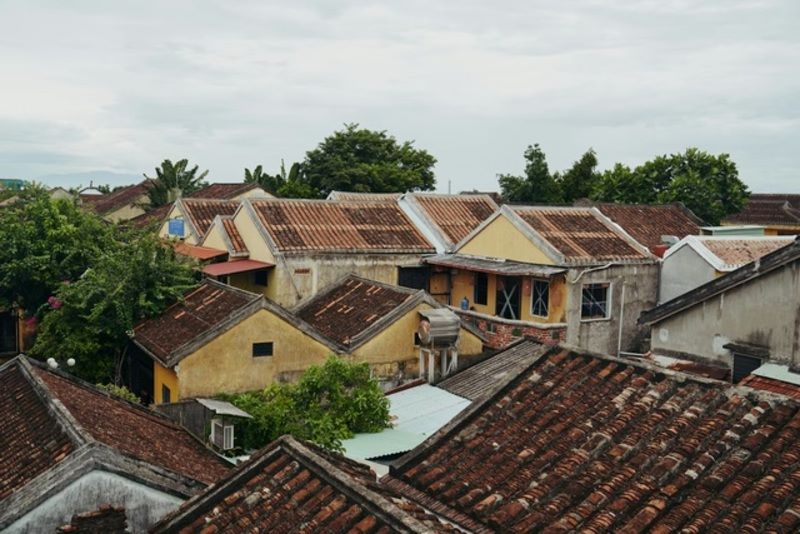
Hoi An’s architecture is one of its strongest drawcards. Low, tiled-roof houses, Chinese assembly halls, merchant homes, and community halls have been protected by strict conservation rules, so building heights and facades in the core remain close to their historic form. You will notice yellow-painted walls, wooden shutters, and internal courtyards that help keep interiors cool in the tropical heat and reflect traditional ideas of prosperity and luck.
The town’s layout and buildings show how different cultures met here over centuries. Cham heritage from earlier kingdoms sits alongside Chinese, Japanese, and later European influences from the trading peak of the 16th - 19th centuries. Walking the narrow lanes, especially at night when lanterns replace most modern lighting, gives a clear sense of a port that has chosen to integrate its past into daily life rather than replace it.
 |
|
Hoi An’s building with unique style of exterior (Source: Unsplash) |
For first-time or repeat visit, the Old Town rewards slow walking and short hops between its highlights. Use this guide to pinpoint what to see, when to go for the best light, and how to experience each place in a way that feels unhurried and authentic.
The Japanese Covered Bridge (Chua Cau) is Hoi An’s most recognisable landmark and a key stop inside the Ancient Town. It spans a small branch of the Hoai River, linking Tran Phu Street with Nguyen Thi Minh Khai Street at the western edge of the Old Town. The bridge is such an icon that its image appears on Viet Nam’s 20,000 VND banknote.
Built by Japanese merchants in the late 16th to early 17th century, the bridge was originally a practical link between the Japanese and Chinese quarters. Over time it also took on spiritual meaning, with a small shrine to Bac De Tran Vu, the guardian deity associated with protection from storms and natural forces. Local stories even connect the bridge to the Japanese legend of Namazu, the giant catfish believed to cause earth tremors.
Architecturally, the Japanese Covered Bridge is a compact example of East Asian timber design adapted to a Vietnamese riverside town. The wooden structure, tiled roof and carved details show a blend of Japanese, Chinese and Vietnamese influences rather than a single style. At night, the bridge is lit softly and framed by lanterns along the river, making it one of the most photogenic spots in Hoi An.
Your Vietnam Travel’s recommendations:
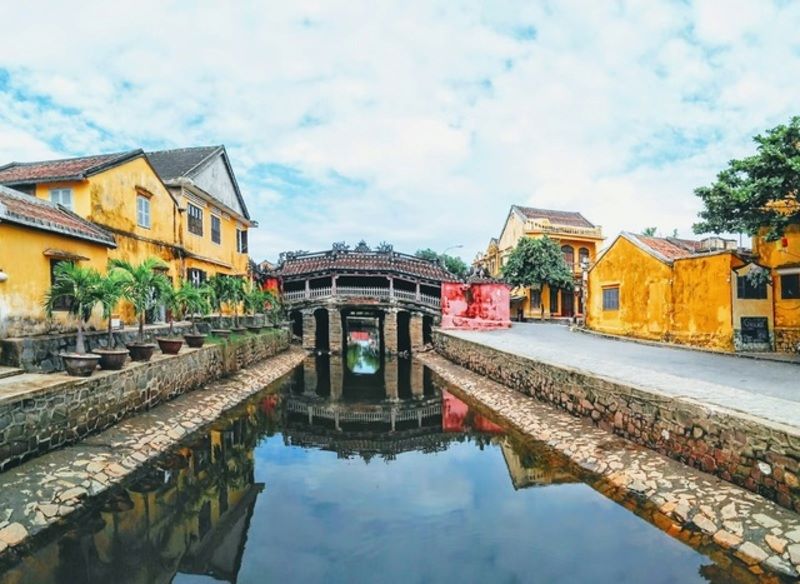 |
|
Japanese Covered Bridge in Hoi An (Source: Unsplash) |
Hoai River is a gentle branch of the Thu Bon River that runs through the heart of Hoi An and once carried trading boats from Japan, China, and Europe into the town’s riverside warehouses. These days, it has become less a commercial waterway and more the main stage for Hoi An’s evening life, from lantern-lit cruises to monthly festivals along the banks.
After dark, parts of the streets along the Hoai River become walking-only, so visitors can slow down, listen to music, and watch the town light up. On full moon nights, electric lights are dimmed and thousands of lanterns glow across the river, giving the waterfront an almost old-world feel. If you visit during the Full Moon or lantern festival, expect a busy but very atmospheric scene with locals and visitors sharing the same rituals.
Your Vietnam Travel’s recommendations:
Hoi An Central Market stretches between Tran Phu and Bach Dang streets and is the busiest slice of daily life in the Old Town. Compared with the quiet yellow lanes nearby, this riverside market feels loud, colorful, and very local, with boats unloading produce at dawn and vendors calling out over stacked baskets of herbs, fruit, and spices. It has long been a meeting point for traders and artisans, so you still see a blend of Vietnamese, Chinese, and Japanese influences in the food counters and craft stalls here.
Inside, the market is divided into fresh seafood, vegetables, fruit, household goods, and a large food court area. The food section is the main draw for many visitors: cooks work in open kitchens turning out steaming bowls of cao lau, mi Quang, noodle soups, and simple rice plates at shared counters. It is one of the easiest places in Hoi An to sit with locals and taste several central Vietnamese dishes in a single stop.
Your Vietnam Travel’s recommendations:
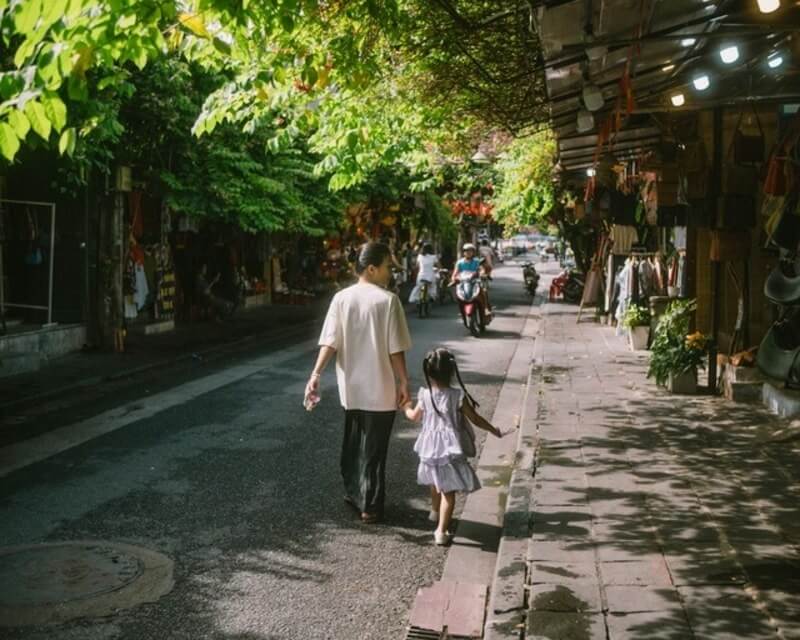 |
|
Guests walking along the Hoi An Central Market (Source: Unsplash) |
Hoi An’s ancient houses are at the heart of the Old Town experience. Low-rise timber homes, tiled roofs, and yellow walls line streets like Nguyen Thai Hoc, Tran Phu, and Bach Dang, with balconies draped in bougainvillea and lanterns hanging overhead. Walking here, especially early in the morning when motorbikes are restricted and streets are quiet, feels like stepping into a slower, gentler version of Vietnam.
Rather than demolishing heritage for new development, the town has chosen to protect these old residences, assembly halls, and family chapels through strict conservation rules. Many buildings still function as real homes or shops, so you see living history instead of staged displays.
You are free to roam the streets, eat, and take photos without a ticket. However, to enter key heritage sites you need a Hoi An Ancient Town ticket, which gives access to selected cultural monuments.Tickets cover folk games, street performances in the evening (around 19:00 - 20:30), and daily cultural shows in the late morning and afternoon.
Buying a ticket is more than a formality, it directly supports maintenance and restoration so these buildings can be passed on to future generations. If you value heritage travel, this small fee is a meaningful contribution.
Some of the most representative ancient houses and family chapels to look for include:
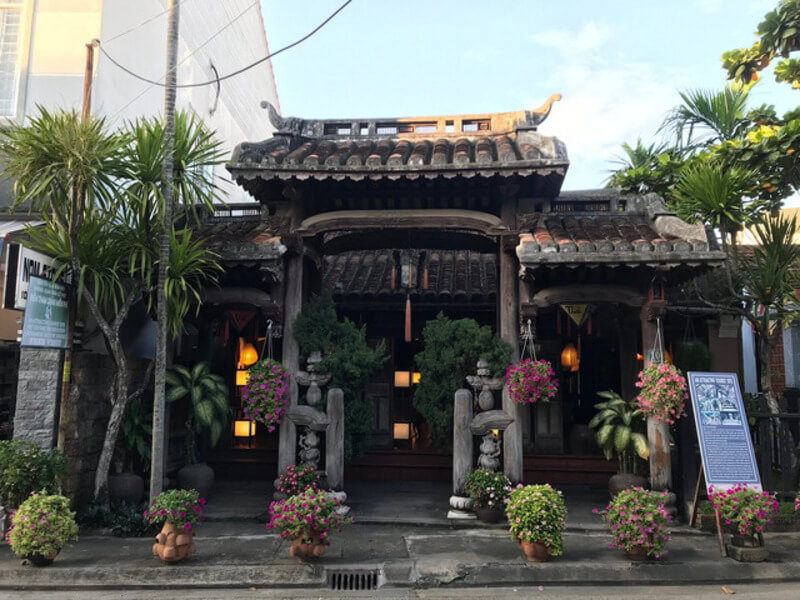 |
|
An ancient House in Hoi An (Source: TripAdvisor) |
Chinese Assembly Halls line parts of Tran Phu Street and once served as social, spiritual, and business hubs for Hoi An’s Chinese communities. Five main congregations are represented here, including Fujian, Cantonese, Hainan, Chaozhou, and Hokkien, each with its own patron deities and visual style. Together they show how overseas Chinese merchants helped shape Hoi An’s trading boom and multicultural character.
Step through the gates and you move into shaded courtyards, tiled roofs, and richly decorated halls. Vermilion pillars, dragon and phoenix carvings, painted panels, and heavy wooden doors blend Chinese motifs with local Vietnamese craftsmanship. Inside, glowing altars, coiled incense spirals, and golden statues create an atmosphere that feels part temple, part community house.
Your Vietnam Travel’s recommendations:
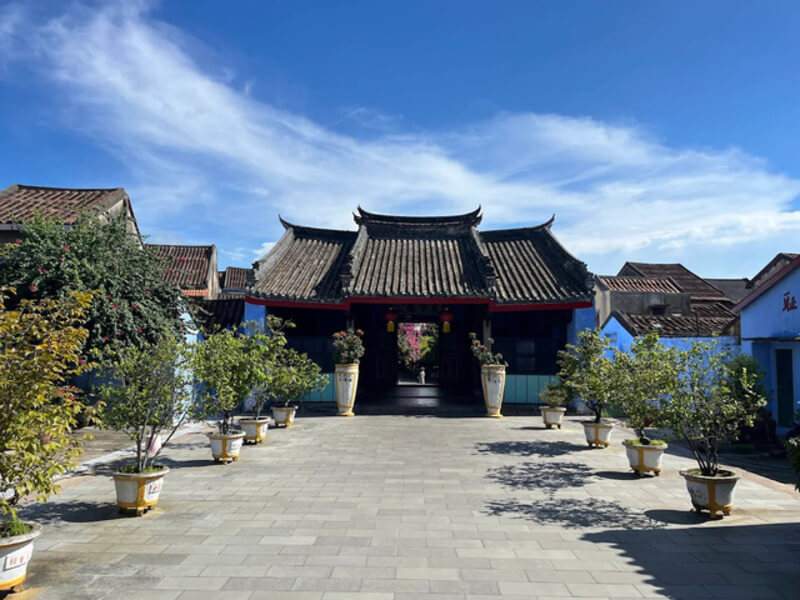 |
|
Chinese Assembly Halls’ Yard (Source: Aymen Ben Abdelmajid) |
Hoi An’s sacred temples sit quietly inside the Ancient Town yet play an active role in daily spiritual life. Visiting a few of them adds useful context to the town’s multi–cultural heritage and gives you calm indoor stops between walks, markets, and riverfront views.
Practical note: Most key temples in the Old Town are included in the Hoi An Ancient Town ticket, which currently costs about 120,000 VND (around US$4.7) for international visitors and covers multiple heritage sites in one day. Main religious and cultural sites normally welcome visitors during daytime, roughly 8:30 a.m. to 5:30 p.m., with the town itself staying open longer for evening walks and lantern viewing.
Located near Tran Phu Street, Quan Cong Temple (Ong Pagoda) honors General Quan Cong and reflects strong Chinese influence. The complex features a tiled roof, courtyard, and painted wooden interiors. Locals visit to pray for loyalty, courage, and business success.
Situated on the eastern side of the Old Town, Ba Mu Pagoda is known for its yellow gate, lotus pond, and symmetrical garden, creating a perfect photography spot. The small worship space offers a peaceful pause from the busy streets.
Minh Huong Pagoda serves Hoi An’s Chinese Minh Huong community and is close to other Chinese assembly halls. It features intricately carved wooden altars made by artisans from Kim Bong carpentry village, offering a quiet and reflective atmosphere.
Tucked just behind Le Loi Street, the narrow alleys running parallel to Tran Phu are some of the quietest corners of Hoi An Ancient Town. You can access them from small passageways near numbers 66 and 87 Le Loi, then wander past low doorways, lanterns, and weathered yellow walls that still feel very local. Historically, this area was linked to the silk trade, where families wove and traded fabric for merchants along the river.
Today, these back lanes are ideal if you want photos without crowds and a slower look at everyday life. Come in the early morning or late afternoon for softer light and cooler temperatures. Walk slowly, peek into courtyards and workshops, and you will see how Hoi An’s textile and craft traditions are still kept alive behind the busier shopfronts.
Hidden silk and craft shops to look for nearby:
Use these alleys as a “breather” between major sights: slip in from Le Loi, explore a few hidden corners and silk shops, then loop back out to Tran Phu or the riverside when you are ready.
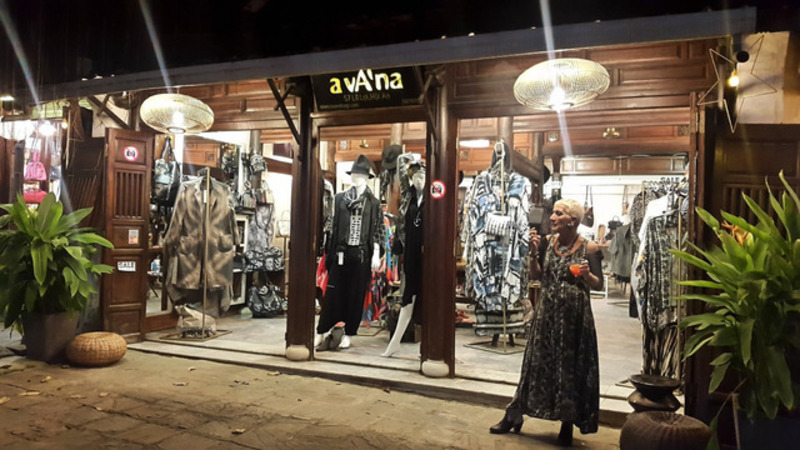 |
|
Avana Boutique Shop on Le Loi Street, Hoi An (Source: Tripadvisor) |
Hidden in a narrow alley near Ba Le Well, a short walk from Hoi An Ancient Town, this centuries-old well is one of the quiet witnesses to the town’s trading past. Long before lanterns and cafés arrived, local families drew their daily water here, and that same mineral-rich source is still believed to give Hoi An specialties like cao lau their unique taste and texture.
There are no ticket booths or formal opening hours, as this is an open public space used throughout the day. For safety and to respect nearby residents, it is best to visit in daylight, ideally in the early morning when the lane is calm and you can quietly observe daily routines. Treat the area as you would a small village courtyard rather than a museum display.
What to know before you go:
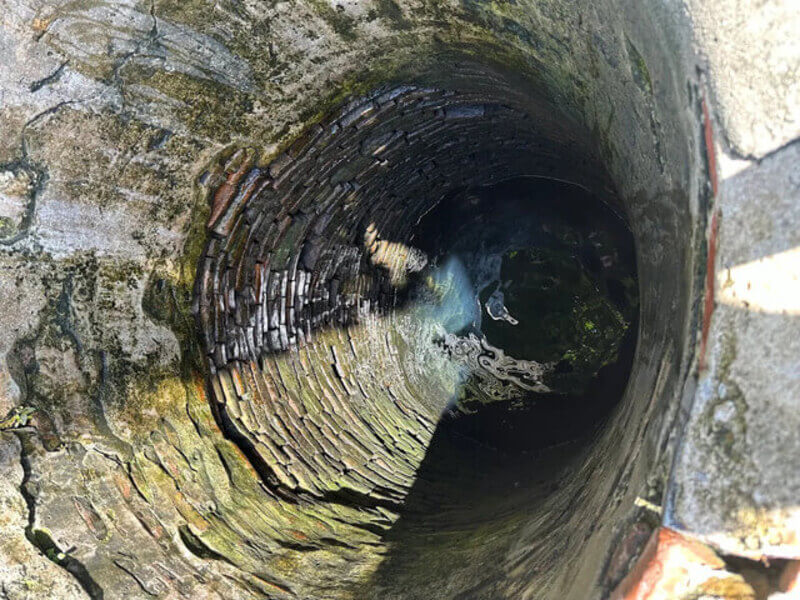 |
|
Inside the hidden ancient well in Hoi An (Source: Tripadvisor) |
Hoi An Museum of Folk Culture sits in a long two storey wooden house at 33 Nguyen Thai Hoc, right in the heart of the Ancient Town. Inside, it traces how ordinary people in Hoi An lived, worked, celebrated and performed over the centuries. It is a good stop if you want context for what you see on the streets outside.
On the upper floor, displays cover four main themes: traditional crafts, performing arts, daily life and local customs. You will find costumes, tools, fishing gear, market baskets and household objects that show how river traders, farmers and artisans shaped the town. Downstairs, larger items and reconstructions give a sense of old workshops and riverside trade.
Visitor information:
What you will see:
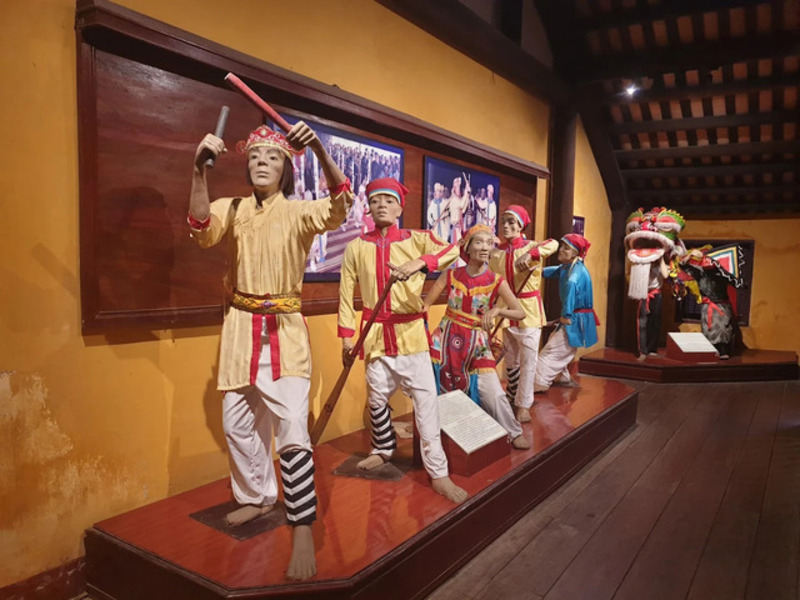 |
|
Inside the Hoi An Museum of Folk Culture (Source: Chatree Ueng) |
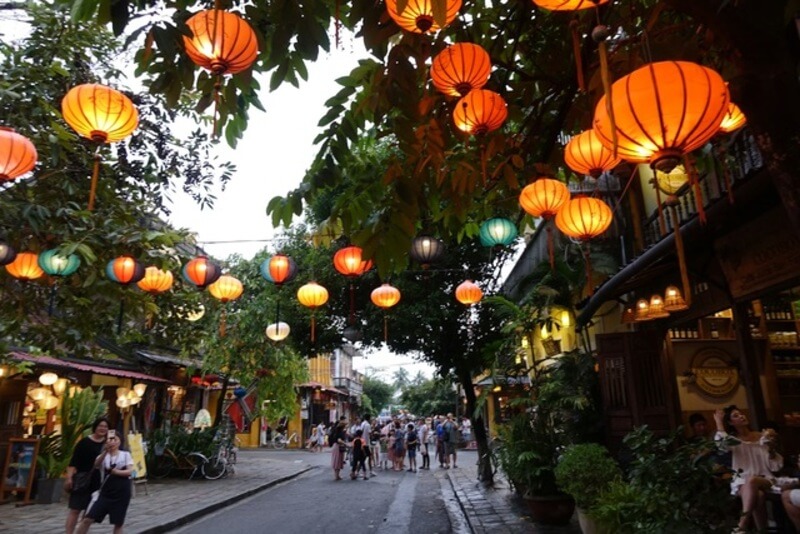
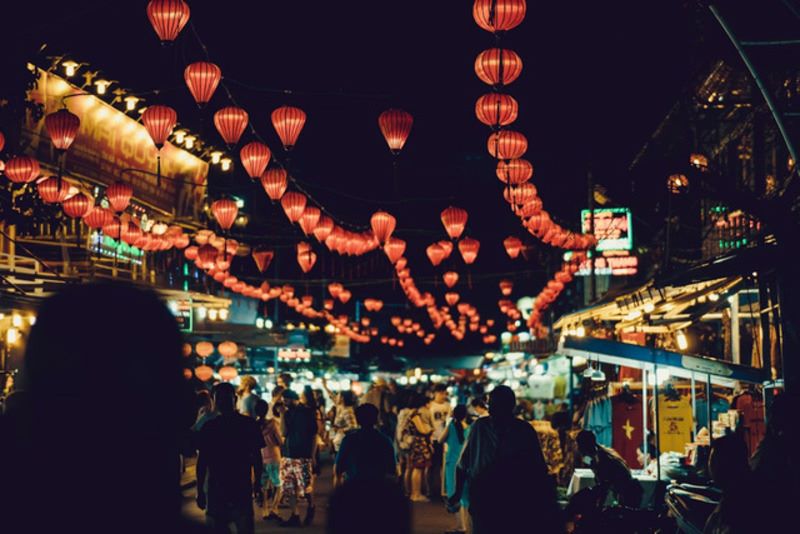
Hoi An’s lantern streets run through the core of the Old Town, especially along Tran Phu, Nguyen Thai Hoc, Bach Dang and Nguyen Phuc Chu by the river. At night, shophouses glow with silk lanterns, tailors and cafés spill into the lanes, and many streets are reserved for walking and cycling, which keeps the atmosphere calm and easy to explore.
On the 14th night of each lunar month, the Full Moon Lantern Festival turns these streets into a sea of light when electric lamps dim and thousands of lanterns take over. You can stroll, photograph the golden walls and reflections on the Hoai River, then buy a paper lantern to float for good luck.
What to know:
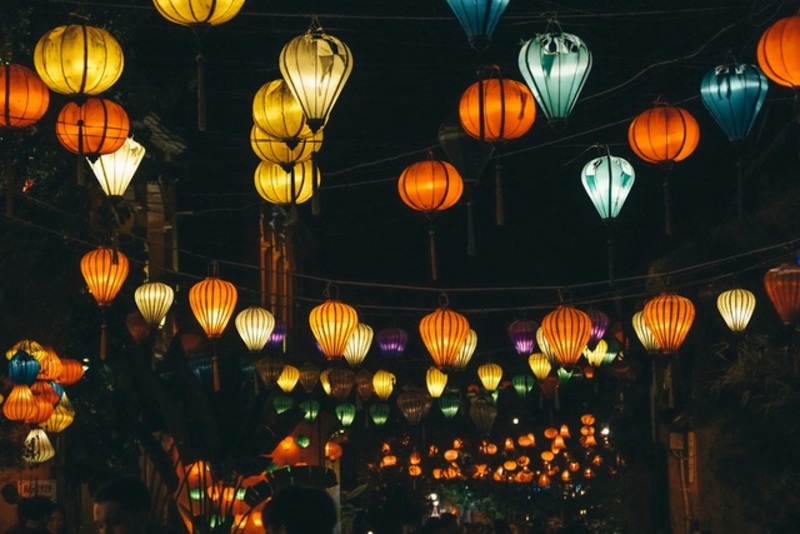 |
|
Lanterns at Hoi An Ancient Town at night time (Source: Unsplash) |
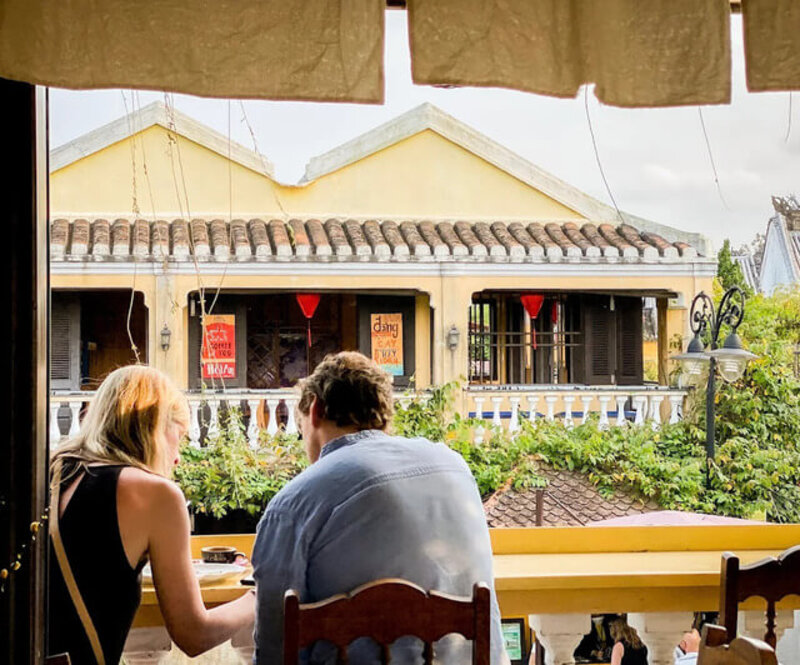
Hoi An’s Ancient Town is dotted with heritage shophouses that now serve as intimate cafes, blending rich Vietnamese coffee culture with river views and lantern-lit streets. Between sightseeing stops, these spots are ideal for a slow break, people-watching, and a strong phin-drip or creative specialty drink.
Here are three reliable choices to bookmark for your trip:
For all three cafes, card payment is increasingly accepted but you should still carry some cash in VND, especially on busy festival evenings when systems can be slow.
 |
|
A couple enjoying coffee at a cafe in Hoi An Old Town (Source: quốc trương) |
Hoi An is best enjoyed slowly, on foot, by boat, and through hands-on local experiences. Use this list to plan a relaxed evening or a full day, with practical tips on timing, ticketing, and how to enjoy each activity like a local.
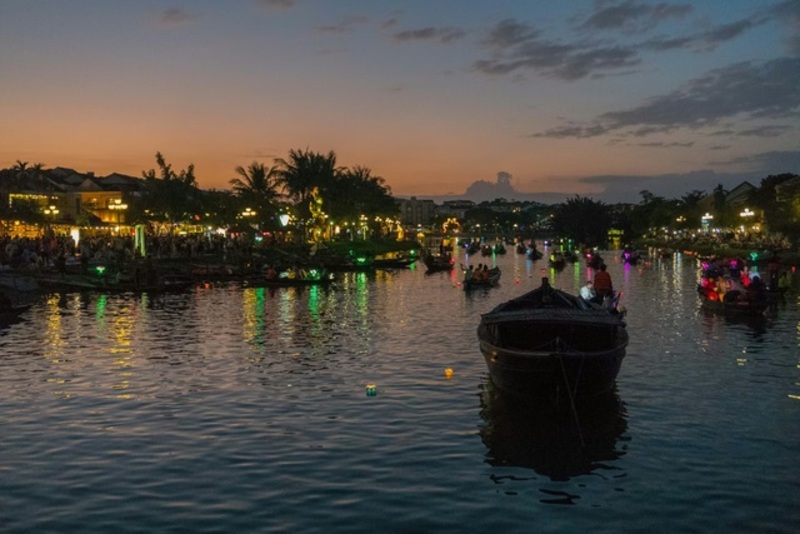
A short hand-rowed ride lets you see the Old Town from the water as lanterns glow along Bach Dang and An Hoi. You can buy a paper lantern at the pier and release it with a wish during the cruise.
 |
|
Guests travelling on lantern boats on Hoai River (Source: Unsplash) |
After sunset, shop-houses, assembly halls, and riverfront lanes light up, turning evening walks into the highlight of the day. Many streets are pedestrian-only during peak hours, so it stays easy and safe to explore.
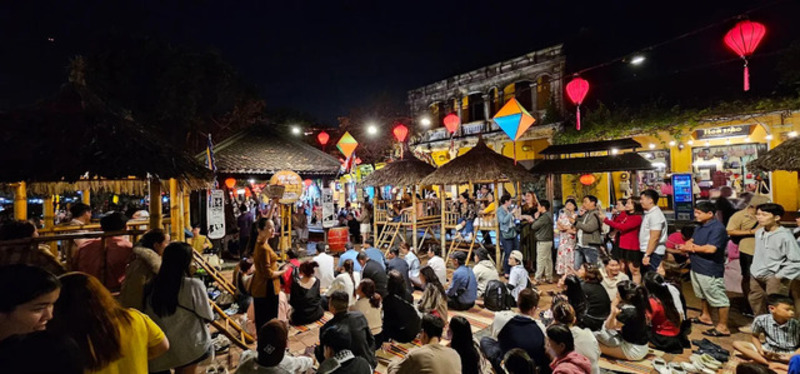
Bai Choi is a UNESCO-recognized folk game that blends music, call-and-response singing, and playful card-calling. Evening performances on the An Hoi side are lively and welcoming, even if you do not speak Vietnamese.
 |
|
Join the game of Bai Choi (Source: Tuan Luu) |
Hoi An’s tailors are fast and skilled, offering custom pieces in a day or two. You can choose fabrics, show a reference photo, and return for fittings.
Full-moon nights and seasonal festivals bring processions, lion dances, and extra lantern light across the Old Town. Streets feel festive and photo-ready, with performances around the river and main squares.
 |
|
Busy streets at Hoi An Lantern festival (Source: Unsplash) |
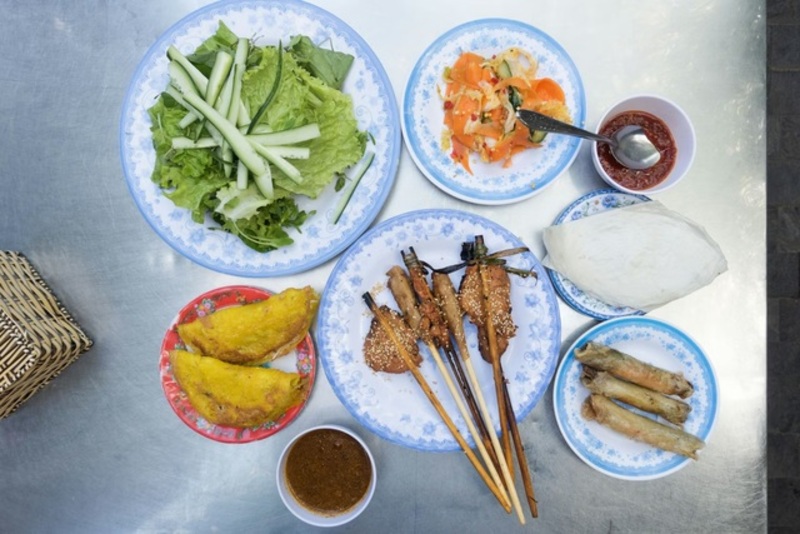
Hoi An’s food scene is compact, affordable, and packed with local signatures you won’t find elsewhere in Vietnam. Use this list to taste the town’s classics in small portions, then circle back to your favorites for seconds.
Quick tips: Eat early lunch or at dusk to avoid crowds and heat. Order small portions to sample more dishes, and carry cash for market stalls since some vendors do not accept cards.
 |
|
A table of Hoi An Old Town dishes like ram, grilled pork, banh xeo (Source: Unsplash) |
Take home a piece of Hoi An with locally made handicrafts that are easy to pack, fairly priced, and culturally meaningful.
Smart buying tips: Bring small cash for markets, compare prices on Tran Phu and Nguyen Thai Hoc streets and near Central Market, confirm materials and timelines for tailored items, and ask for a receipt with contact details.
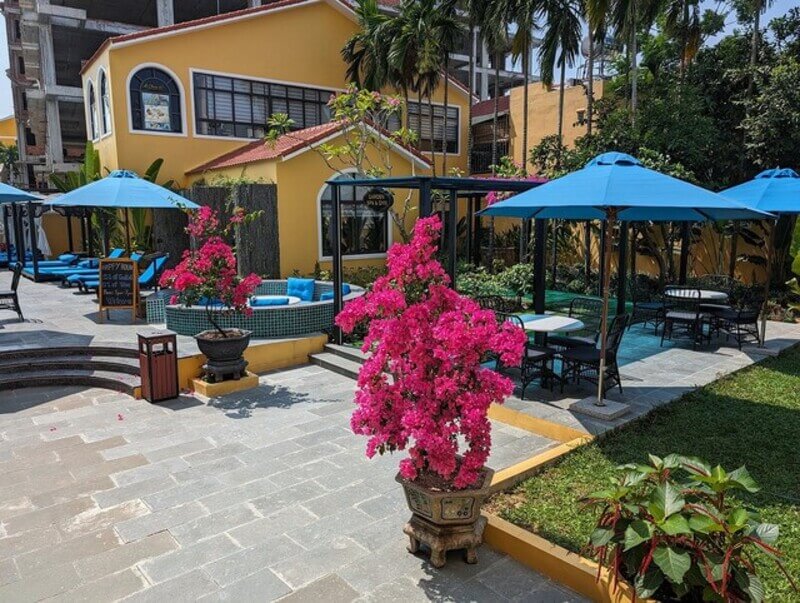
Staying in or near the Old Town puts lantern streets, cafés, and night markets within walking distance. Book early for weekends, full-moon nights and peak season (February-April).
Boutique hotels in restored shophouses or villas offer classic architecture, courtyards, and riverside locations near Tran Phu or Nguyen Thai Hoc. Expect bicycles, lantern-lit gardens, and local breakfasts.
Suggested picks: Hoi An Historic Hotel, Vinh Hung Heritage Hotel (US$60–100/night)
 |
|
La Charm hotel with Hoi An’s iconic yellow colour (Source: TripAdvisor) |
Comfortable hotels with pools and modern amenities, located between the Old Town and beaches. Easy cycling access and good value for longer stays.
Suggested picks: Lantana Boutique Hotel Hoi An, Little Hoi An (US$40–70/night)
Guesthouses and homestays on the Old Town’s edge offer simple rooms, friendly hosts, and walkable locations. Many provide laundry and scooter rental.
Suggested picks: Hoi An Sincerity Hotel & Spa, Calm House Hotel Hoi An, Hoi An Heart Villa (US$15–40/night)
For the most comfortable weather, it is best to visit in February – April when days are cool, dry, and perfect for walking the Old Town. May – August is also great if you want beach time, though it’s hotter. For atmosphere, plan around the Lantern Festival on the 14th lunar day, when lights are dimmed and candle-lit lanterns glow on the river.
See more of our travel tips on the best time to visit Hoi An to plan your next holiday!
If you are short on time but want more than the Old Town streets. These nearby spots are easy half-day add-ons with clear directions, simple logistics, and plenty of local flavor.
 |
|
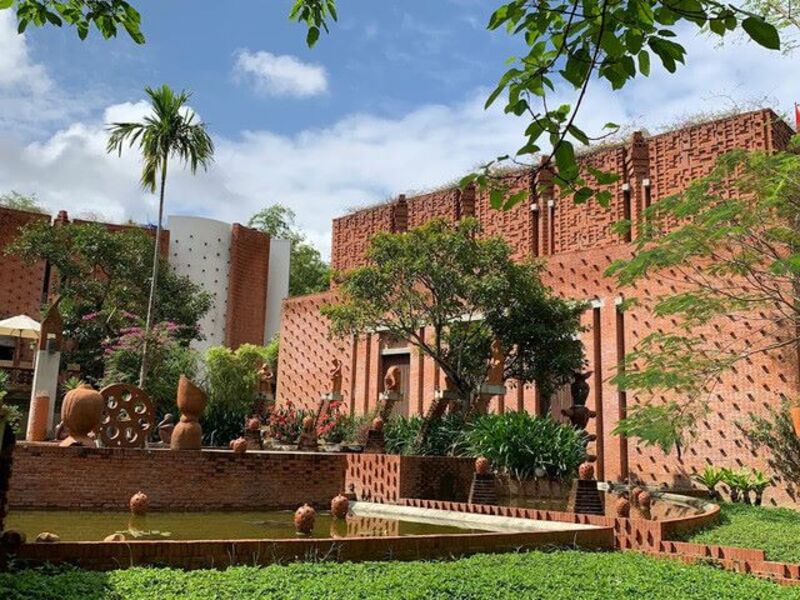
Thanh Ha Terracotta Park in Thanh Ha Pottery Village (Source: Huynh Nguyen Tu Nhi) |
A riverside craft village known for hand-thrown terracotta and family-run kilns. Stroll small lanes, watch potters at the wheel, and try shaping your own cup or whistle. The Terracotta Park features large outdoor sculptures and a miniature world made from clay.
 |
|
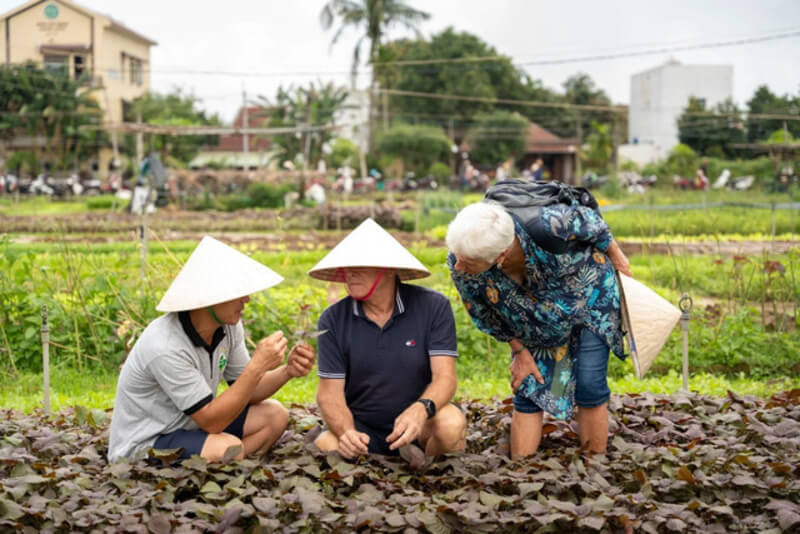
Travellers learning about vegetables at Tra Que Vegetable Village (Source: Do Cuong) |
This organic farming community supplies many of Hoi An’s restaurants. Walk between herb plots, learn about seaweed composting, and join a cooking class using just-picked basil, mint, and perilla. Morning visits are the coolest and most active.
 |
|
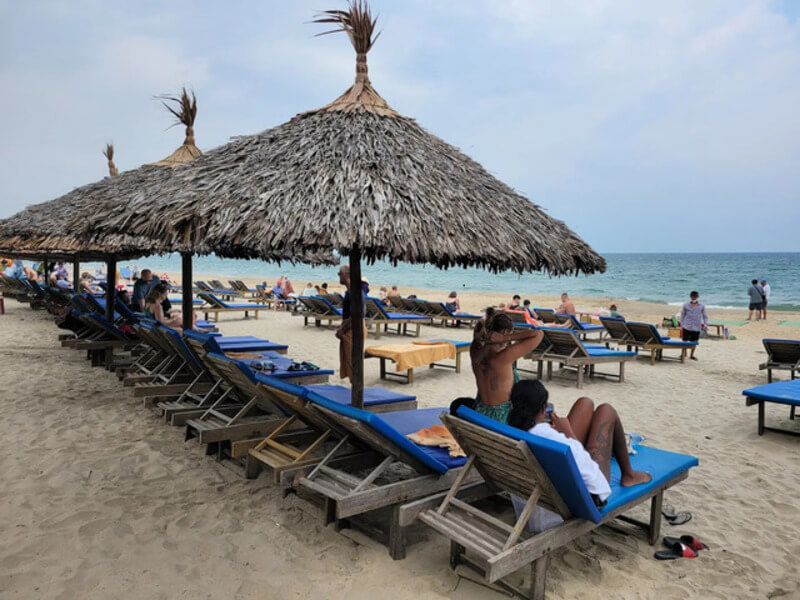
Travellers relaxing on An Bang Beach (Source: Agnes K) |
Hoi An’s favorite sandy escape with clear water, casual cafés, and loungers. Come early for calm seas or near sunset for golden light and cool breezes. Lifeguards are present in marked zones in high season.
 |
|
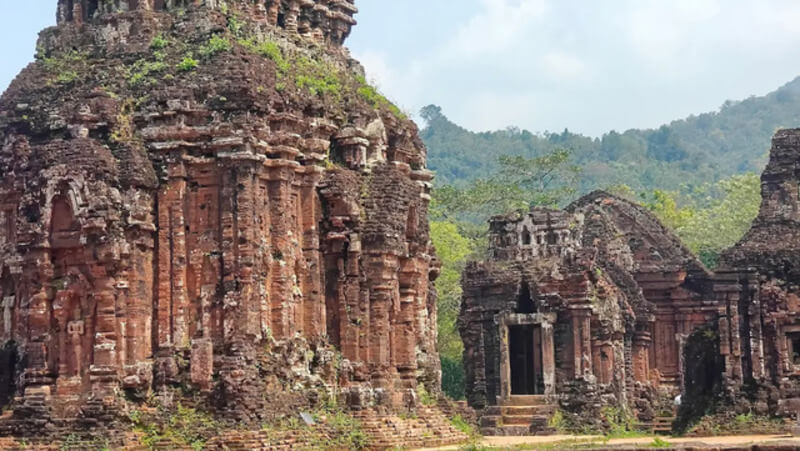
Ancient buildings at My Son Sanctuary (Source: Toni Rovira) |
A UNESCO World Heritage site of Champa temple ruins set in a forested valley. Explore brick towers, museum displays, and watch the Cham dance performance that runs several times daily. Go early to avoid heat and tour groups.
Plan smart and keep it simple. These quick tips cover tickets, timing, getting around, and on-the-ground etiquette so you enjoy Hoi An Ancient Town at its best.
By road. Most visitors take a taxi/private car or shuttle. The journey is about 45 to 60 minutes for around 30 km. Public routes and tour shuttles are common given Hoi An’s UNESCO draw and easy Da Nang - Hoi An connection.
No. Walking the streets is free, but you do need a ticket to enter the heritage sights (old houses, assembly halls, museums, Japanese Bridge, etc.). Ticket sales fund conservation.
Bicycles are welcome inside Hoi An Ancient Town. Motorbikes are restricted in core streets during pedestrian hours to preserve the atmosphere so plan to park outside and walk/ride a bicycle instead.
Yes. Many streets become walking-only in the evening and on festival nights, creating an easy, slow-traffic experience ideal for families and casual strolling.
Yes. Hoi An is a well-touristed, walkable heritage town; standard travel sense applies, but its evening walking streets and organized visitor flow make it comfortable for most travelers.
Yes. Credit cards and digital payments are widely accepted at most hotels, mid-range to upscale restaurants, and many shops, but carry cash for markets, small vendors, and lantern/boat sellers in the old town.
Yes. Hoi An has many vegetarian dishes and restaurants due to its diversity. Vegetables are produced from nearby Tra Que Vegetable Village features prominently, so plant-forward menus are common.
We hope this guide gives you a clear picture of Hoi An Ancient Town and how to enjoy it well. You now have the essentials on location, hours, and fees, the story behind the town, the highlights to see, the activities to try, what to eat and buy, where to stay, the best time to visit, and simple tips to keep your day smooth.
If you would like a custom route with transfers, ticket help, and reservations, contact our Your Vietnam Travel team to craft a plan that fits your pace and budget.

 Vietnam Tours
 Cambodia Tours
 Thailand Tours
 Laos Tours